
高速冷却遠心機(高速冷却遠心分離機)
効率的なサンプル処理と分離を実現
主なアプリケーション
- 細胞回収および細胞培養プロセス
- タンパク質および生体分子の単離
- 細菌・微生物サンプルの調製
- 生体液の清澄化
- 分子生物学ワークフロー
- 大容量サンプルの処理
- 研究および品質管理試験
高速冷却遠心機(高速冷却遠心分離機)は、細胞、タンパク質、細胞小器官、核酸、その他の生体粒子を分離するために不可欠な実験機器です。高い遠心力と迅速な処理性能を発揮するよう設計されており、サンプルの完全性を維持しながら、処理能力向上に貢献します。
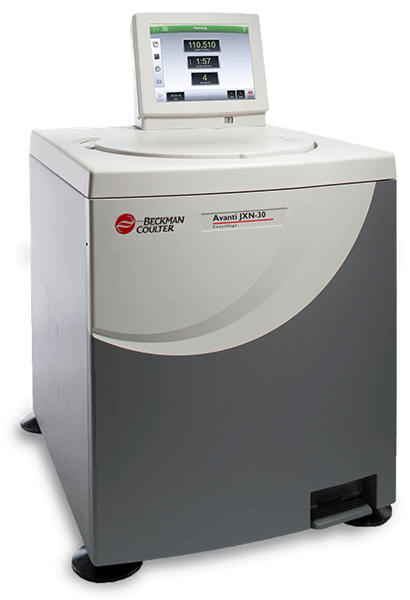
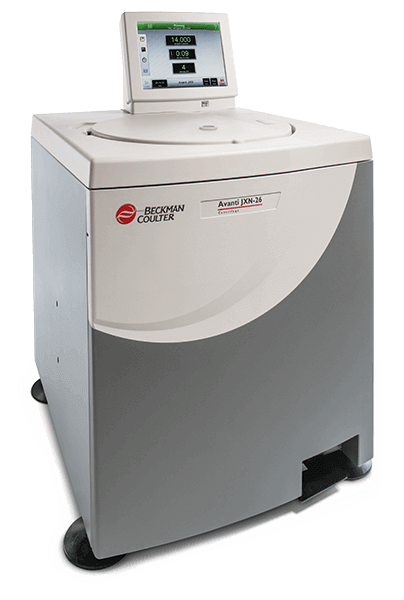
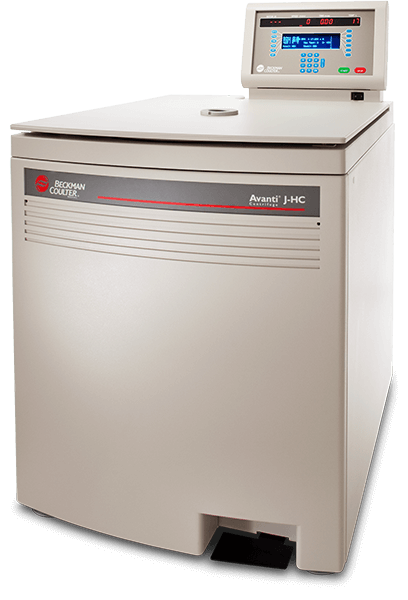
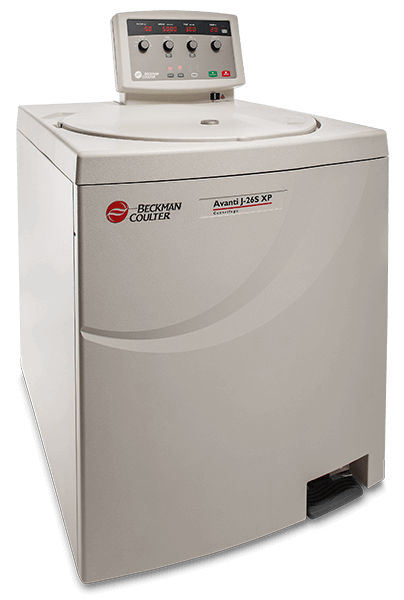
ベックマン・コールター ライフサイエンスの高速冷却遠心機Avantiシリーズは、高度なロータ技術、直感的な操作性、そして用途に応じて選択できる処理容量を兼ね備えています。研究用途、バイオプロセシング、臨床検査分野まで幅広く対応し、日常的なワークフロー向けのコンパクトなシステムから、生産現場の要求に応える大容量モデルまで、信頼性の高い性能と再現性の高い結果を提供します。
サンプル前処理の迅速化、ラボワークフローの効率化、そして幅広い分離アプリケーションへの対応を実現する、フロア型高速遠心機のラインアップをご覧ください。
高速冷却遠心機に関するFAQ
高速冷却遠心機の用途は何ですか?
高速冷却遠心機は、細胞回収、タンパク質の単離、生体分子の精製、サンプルの清澄化、および大容量のサンプル処理に使用されます。低速遠心機と比較して、より迅速な処理と高い分離効率を実現します。
高速冷却遠心機はどのくらいの速度で回転しますか?
最高回転速度は機種やロータ構成によって異なります。多くの高速冷却遠心機は 20,000~30,000 RPMの速度で回転し、80,000 × gを超える遠心力を発生させるため、生体粒子や細胞成分を効率的に分離できます。また、高速度冷却遠心機 Avanti JXN-30は最大 110,510 × gの遠心力を発生させることができます。
高速冷却遠心機と超遠心機の違いは何ですか?
高速冷却遠心機は主に細胞、細胞小器官、および比較的大きな生体分子の分離に使用されます。一方、超遠心機は、高速冷却遠心機よりもさらに高い回転速度と遠心力を発生させることで、ウイルス、細胞外小胞、リポタンパク質、ナノ粒子などの非常に小さな粒子の分離に適しています。
高速冷却遠心機とは何ですか?
高速冷却遠心機は、遠心力を利用して粒子を分離する実験機器です。使用するシステムやロータによって異なりますが、一般的に 10,000~30,000 RPMの回転速度で運転します。高速冷却遠心機は、細胞、タンパク質、細菌、その他の生体サンプルの大容量処理によく使用されています。
