
セルカウンター・細胞径測定・培地環境分析装置
セルカウンター&培地環境分析装置の
主な用途
- 自動細胞計数および生細胞率解析
- 細胞サイズ測定および粒子特性評価
- 細胞培養モニタリングおよび品質管理
- バイオプロセスワークフロー向けのバイオアナライト分析
- ハイスループットラボワークフローへの対応
コールターカウンターの発明以来、細胞計数および粒径測定技術は、ライフサイエンス研究、バイオプロセシング、細胞治療開発において重要な役割を果たしてきました。現在では、高度な細胞計数装置、生細胞率解析装置、粒度分布測定装置、および培地環境分析装置が、正確なデータの取得を可能にし、細胞培養ワークフロー全体を通じたより適切な意思決定を支えています。
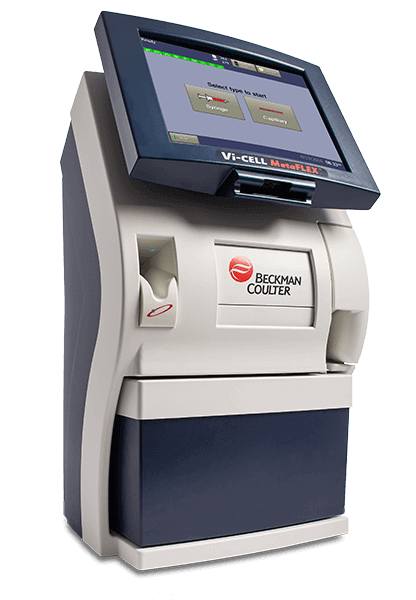
ベックマン・コールター ライフサイエンスは、粒子特性評価、自動細胞計数および生細胞率解析、ならびに細胞培養におけるバイオアナライトモニタリングのための相補的な技術を提供しています。これらのシステムは、粒子群、細胞濃度、生細胞率、および培養環境に関する定量的な情報の取得を可能にします。さらに、標準化された測定ワークフローを支援し、再現性の向上、ワークフロー効率の改善、そして初期研究からプロセス開発、製造に至るまでの細胞の品質モニタリングに活用できる情報を提供します。
自動細胞計数、細胞生存率評価、粒径測定、迅速なバイオアナライト分析のいずれが必要なアプリケーションであっても、これらのソリューションは、最新の研究室およびバイオプロセシング環境において、信頼性の高いパフォーマンスと実用的なデータを提供します。

セルカウンター・細胞径測定・培地環境分析装置に関するFAQ
コールターカウンターとは?
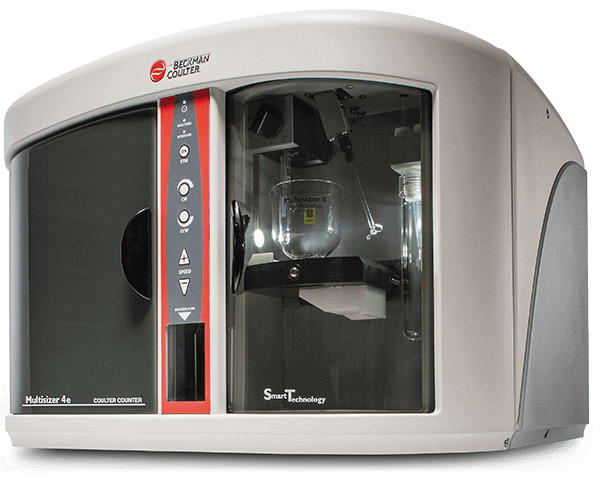
コールターカウンターは、導電性液体中に懸濁した粒子がアパチャーを通過する際に生じる電気インピーダンスの変化を測定することで、粒子数の計測および粒子径の評価を行う装置です。各パルスは1つの粒子イベントを表し、パルス振幅は粒子によって置換された電解液の体積に比例します。解析したサンプルの容量が既知であれば、これらの測定結果から粒子濃度を算出することも可能です。精密粒度分布測定装置 Multisizer 4e は、この原理を用いて個々の粒子の計数および粒径測定を行います。
コールター原理は、導電性液体中に懸濁した粒子の計数および粒径測定に用いられる技術です。粒子が2つの電極間にあるアパチャーを1個ずつ通過すると、粒子によって電解液が置換され、一時的な電気インピーダンスの変化が生じます。発生したパルス数は検出された粒子数に対応し、各パルスの振幅は粒子体積に比例します。これらのデータを用いて、粒度分布および粒子濃度を算出できます。
フローサイトメトリーではなく、コールターカウンターを選択するのはどのような場合ですか?
コールターカウンター は、蛍光標識や粒子の光学特性に依存することなく、個々の粒子数、粒子濃度、および体積に基づく粒度分布を評価することが主な目的である場合に適しています。サンプルは導電性液体中に懸濁されている必要があり、測定対象の粒子サイズに適したアパチャーを選択する必要があります。
フローサイトメトリーは、蛍光を用いた細胞・粒子の識別、バイオマーカー発現の解析、あるいは複数の光学パラメーターを用いた集団の分類が必要な研究に適しています。測定手法の選択は、取得したい情報、サンプルの特性、および解析ワークフローに基づいて行う必要があります。
細胞生存率の測定結果に影響を与える要因にはどのようなものがありますか?
細胞生存率の測定結果は、サンプルの取り扱い、インキュベーション条件、試薬の選択、解析のタイミング、および細胞種によって影響を受ける可能性があります。標準化されたプロトコルを使用することで、実験間のばらつきを抑え、一貫性のある信頼性の高い細胞生存率評価を行うことができます。
